Transforming CPG Regulatory Compliance with AI-Powered Integration Platform
Regulate CPG
www.regulatecpg.com
REGULATE is an AI-powered SaaS platform transforming CPG innovation with predictive analytics, real-time compliance, and data-driven product validation. Our Insight Suite integrates consumer sentiment analysis, qualitative conceptual validation, and digital twin quantitative analytics to refine ideas before launch. It takes validated concepts and generates product formulations using ingredients and manufacturers from our database, fast-tracking development with accurate cost modeling to bring viable, market-ready products to shelves faster.
Unlike legacy compliance tools, Regulate integrates insights and workflows traditionally siloed across platforms like TraceGains, Trustwell, Centric, and Mintel, while enabling flexible, real-time decision-making akin to tools like NotCo, Tastewise, SPINS, SymphonyAI Retail CPG, and Prevedere.
Built to bridge the gap between data intelligence and agile formulation, Regulate draws inspiration from modern scientific and product development platforms like Benchling and Flavor Studio.
Regulate is used by early-stage brands and innovation hubs like Mista, and is being adopted as a teaching tool at Cal Poly Pomona and Oregon State University to modernize product development education.
INDUSTRY
Food
COMPANY SIZE
Small Enterprise
CHALLENGE SCOPE
Legacy system modernization and operational efficiency
Executive Summary
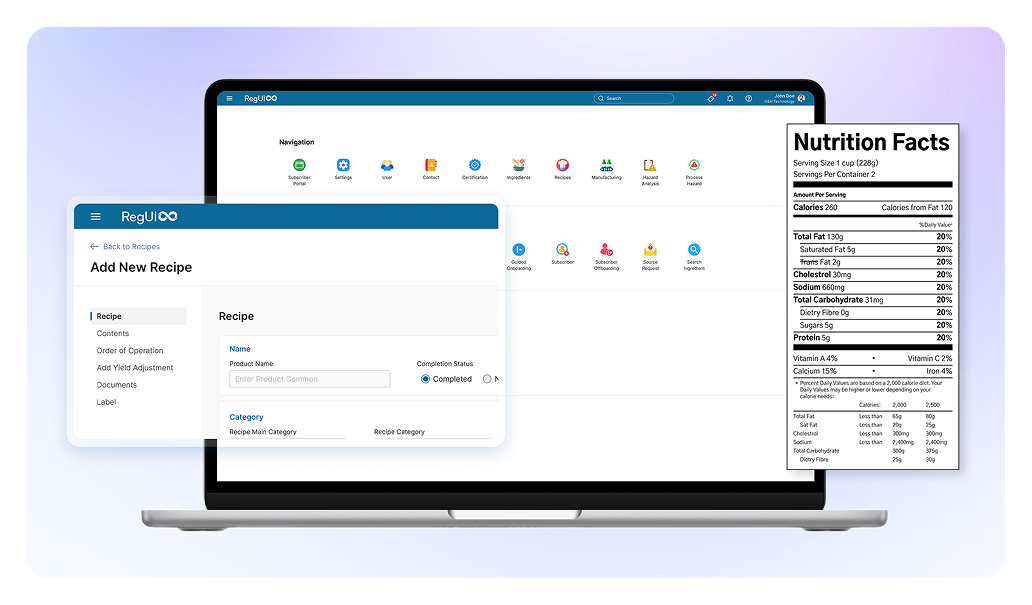
Dhuni Software developed RegulateCPG, a groundbreaking AI-powered comprehensive regulatory platform that revolutionizes how Consumer Packaged Goods (CPG) companies manage compliance, ingredients, recipes, hazard analysis, and supplier relationships. By consolidating fragmented regulatory processes into a single intelligent platform, we eliminated the inefficiencies of manual spreadsheet-based workflows while providing actionable business insights through advanced analytics. This comprehensive solution addresses the critical need for unified regulatory management in an industry where compliance complexity continues to increase exponentially.

The Consumer Packaged Goods industry faced critical fragmentation in regulatory compliance management:
Scattered Information Systems
The industry lacked a unified platform that could effectively combine ingredients management, recipe formulation, hazard analysis protocols, and comprehensive supplier data into a cohesive system. This fragmentation led to data inconsistencies, duplicate efforts across departments, and significant gaps in regulatory oversight that exposed companies to compliance violations and operational inefficiencies. Companies were forced to maintain separate databases for each regulatory function, creating information silos that prevented holistic compliance management and strategic decision-making.
Manual Form Filing
Companies were spending excessive time on manual regulatory submission processes that were not only labor-intensive but also highly prone to human errors and inconsistencies. The traditional approach required regulatory teams to manually transcribe data across multiple forms, cross-reference information from various sources, and validate submissions against ever-changing regulatory requirements. This manual process often resulted in submission delays, regulatory rejections due to inaccuracies, and significant opportunity costs as skilled regulatory professionals spent their time on repetitive administrative tasks rather than strategic compliance planning.
Excel-Dependent Workflows
Organizations had become heavily reliant on complex spreadsheet systems that created dangerous data silos, version control nightmares, and collaboration bottlenecks that severely hindered operational efficiency. These Excel-based workflows lacked proper audit trails, had no real-time synchronization capabilities, and were vulnerable to data corruption or loss. The spreadsheet dependency also made it nearly impossible to implement standardized processes across different teams or geographic locations, leading to inconsistent compliance practices and increased regulatory risk exposure.
Limited Business Intelligence
The fragmented nature of existing systems prevented companies from gaining meaningful insights into product performance trends, market opportunities, and regulatory compliance patterns. Without integrated analytics capabilities, organizations could not identify which products were succeeding in the market, predict regulatory changes that might affect their operations, or optimize their product portfolios based on comprehensive data analysis. This lack of business intelligence severely limited strategic planning capabilities and competitive positioning in rapidly evolving markets.
Complex Client Management
Regulatory consulting firms faced significant challenges with inefficient client onboarding processes, cumbersome data sharing mechanisms, and time-consuming offboarding procedures that limited their ability to scale operations effectively. The absence of streamlined client management systems resulted in prolonged setup times for new clients, difficulties in maintaining consistent service quality across different accounts, and challenges in securely managing client data throughout the entire engagement lifecycle. These operational inefficiencies often led to client dissatisfaction and limited the consulting firms’ capacity to take on additional clients.
Compliance Risk
The combination of fragmented systems, manual processes, and inadequate data management significantly increased companies’ exposure to regulatory non-compliance risks and potential penalties. Without centralized compliance monitoring, organizations struggled to maintain awareness of changing regulations across different jurisdictions, track compliance status across their product portfolios, and proactively address potential violations before they resulted in enforcement actions. This elevated risk exposure not only threatened financial performance but also endangered brand reputation and market access in regulated industries.
Market Opportunity
The regulatory technology market for CPG was ripe for disruption, with companies seeking integrated solutions that could streamline compliance while providing strategic business insights. Organizations were increasingly recognizing that regulatory compliance could be transformed from a cost center into a competitive advantage through the application of advanced technology and data analytics. The market opportunity was particularly compelling because existing solutions were either too narrowly focused on specific compliance areas or too generic to address the unique complexities of CPG regulatory requirements.
Our Solution:
RegulateCPG - The Complete AI Regulatory Platform
Unified AI-Powered Regulatory Hub
AI-Powered Form Filing Automation
Advanced Insight Suite
Excel Replacement & Data Liberation
Integrated Project Management
Client Lifecycle Management
Single Source of Truth
Our integrated platform consolidates all regulatory data streams into a comprehensive, unified system that eliminates information silos and ensures data consistency across all regulatory functions. This centralized approach provides organizations with complete visibility into their regulatory landscape, enabling better decision-making and more effective compliance management. The platform serves as the definitive repository for all regulatory information, ensuring that teams across the organization are working with the same accurate, up-to-date data and reducing the risk of compliance errors caused by information fragmentation.
Intelligent Data Management
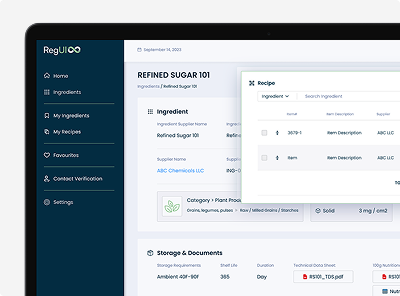
Advanced AI algorithms automatically organize, categorize, and cross-reference ingredients data, recipe formulations, hazard analysis results, and supplier information to create meaningful relationships and insights. The system continuously learns from user interactions and regulatory patterns to improve data organization and accessibility over time. This intelligent approach to data management not only saves time for regulatory professionals but also uncovers hidden connections and dependencies that might otherwise be overlooked in manual data management processes.
Real-Time Compliance Monitoring
The platform provides automated, continuous tracking of regulatory requirements across multiple jurisdictions, instantly alerting users to changes that might affect their products or processes. This real-time monitoring capability ensures that organizations stay ahead of regulatory developments rather than reacting to them after implementation. The system monitors regulatory databases, government announcements, and industry publications to provide comprehensive coverage of all relevant regulatory changes and their potential impact on specific products or business operations.
Centralized Document Management
A secure, fully searchable repository houses all regulatory documentation with advanced metadata tagging, version control, and access management capabilities. The document management system includes intelligent categorization, automated retention policies, and seamless integration with external regulatory databases. Users can quickly locate specific documents, track document lifecycles, and ensure that all regulatory submissions are supported by the most current and appropriate documentation.
Intelligent Form Recognition
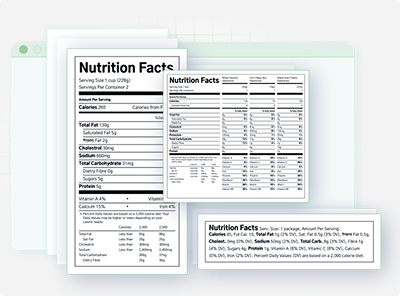
Our advanced AI technology automatically identifies required regulatory forms based on product characteristics, intended markets, and regulatory context, then dynamically populates these forms with relevant data from the integrated database. The system maintains an extensive library of regulatory forms across multiple jurisdictions and continuously updates this library as new forms are introduced or existing forms are modified. This intelligent recognition capability eliminates the manual effort required to identify and select appropriate forms while ensuring that all required submissions are identified and completed accurately.
Auto-Completion Technology
Sophisticated machine learning algorithms analyze historical submission data, regulatory patterns, and product characteristics to automatically pre-fill regulatory forms with high accuracy and contextual relevance. The system learns from previous submissions and user corrections to continuously improve its auto-completion capabilities, reducing the time required for form preparation while maintaining compliance accuracy. This technology significantly reduces the manual data entry burden on regulatory teams and minimizes the risk of errors that could lead to submission rejections or compliance violations.
Compliance Validation
The platform performs real-time validation of all form data against current regulatory requirements, cross-referencing multiple regulatory databases and rule sets to ensure complete accuracy and compliance. The validation system includes comprehensive error checking, consistency verification, and completeness assessment to identify and resolve potential issues before submission. This proactive validation approach prevents costly submission rejections and reduces the time required for regulatory approval processes by ensuring that all submissions meet regulatory standards from the outset.
Submission Tracking
Automated monitoring systems track the status of all regulatory submissions throughout the entire approval process, providing real-time updates on submission progress, deadline management, and response requirements. The tracking system integrates with regulatory agency systems where possible and provides automated alerts for critical milestones, pending actions, and approaching deadlines. This comprehensive tracking capability ensures that no submissions are overlooked and that all regulatory obligations are met in a timely manner.
Product Performance Analytics
Our AI-driven analytics engine analyzes comprehensive market data, regulatory approval patterns, and competitive intelligence to identify which products achieve the greatest market success and regulatory compliance efficiency. The system correlates product characteristics with market performance metrics to provide actionable insights for product development and portfolio optimization. These analytics help organizations focus their resources on the most promising product opportunities while identifying potential performance issues before they impact market success.
Competitive Intelligence
Comprehensive market analysis tools provide detailed competitive benchmarking, market positioning insights, and strategic intelligence about competitor regulatory strategies and product performance. The system aggregates publicly available regulatory data, market research, and competitive intelligence to provide a complete picture of the competitive landscape. This intelligence enables organizations to identify market opportunities, understand competitor vulnerabilities, and develop more effective market entry and product development strategies.
Risk Assessment
Automated risk analysis algorithms continuously evaluate compliance risks across all products and regulatory jurisdictions, providing prioritized risk assessments and detailed mitigation strategies. The system considers regulatory complexity, submission history, product characteristics, and market dynamics to provide comprehensive risk profiles for all regulatory activities. This proactive risk management approach helps organizations allocate resources effectively and address potential compliance issues before they result in regulatory violations or business disruptions.
ROI Optimization
Data-driven recommendation engines analyze product performance, regulatory costs, and market opportunities to provide specific recommendations for portfolio optimization and resource allocation. The system quantifies the return on investment for different regulatory strategies and product development initiatives, enabling organizations to make informed decisions about resource allocation and strategic priorities. These optimization recommendations help organizations maximize their regulatory investments while minimizing compliance costs and market entry times.
Spreadsheet Migration Tools
Sophisticated automated conversion systems seamlessly migrate existing Excel-based workflows, data structures, and business logic into the integrated platform while preserving data integrity and business continuity. The migration tools include data validation, structure analysis, and workflow mapping capabilities to ensure that no critical information or processes are lost during the transition. This comprehensive migration approach enables organizations to eliminate their dependence on spreadsheets without disrupting ongoing operations or requiring extensive retraining of existing personnel.
Dynamic Data Visualization
Interactive dashboard systems replace static spreadsheet reports with real-time, customizable visualizations that provide deeper insights and more effective data presentation capabilities. The visualization tools include advanced charting options, customizable reporting templates, and interactive data exploration features that enable users to drill down into specific data points and uncover hidden patterns. These dynamic visualizations make data more accessible and actionable while eliminating the limitations and maintenance overhead associated with spreadsheet-based reporting systems.
Version Control
Advanced automated versioning systems eliminate the confusion and errors associated with spreadsheet version management by maintaining complete audit trails and change tracking for all data modifications. The version control system includes rollback capabilities, change attribution, and approval workflows to ensure data integrity and accountability. This systematic approach to version management eliminates the risk of working with outdated information and provides complete transparency into how data has evolved over time.
Collaborative Workspaces
Real-time collaboration platforms enable simultaneous multi-user access and editing capabilities, replacing inefficient email-based spreadsheet sharing with seamless collaborative workflows. The collaboration system includes role-based permissions, real-time commenting, and notification systems to facilitate effective teamwork while maintaining data security. These collaborative features enable distributed teams to work together more effectively while eliminating the version conflicts and communication overhead associated with traditional spreadsheet sharing methods.
Data Integrity
Built-in validation systems continuously monitor data quality, consistency, and accuracy through automated error detection, data cleansing, and integrity verification processes. The data integrity system includes sophisticated validation rules, automated data quality scoring, and exception reporting to ensure that all information meets established quality standards. This systematic approach to data integrity eliminates the data quality issues commonly associated with spreadsheet-based systems while providing confidence in the accuracy and reliability of all regulatory information.
Regulatory Project Tracking
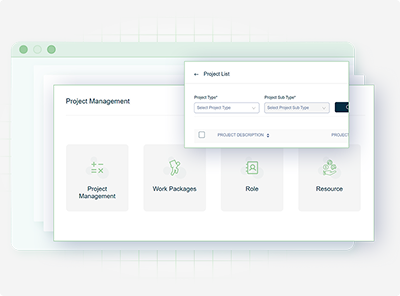
Comprehensive project management systems provide complete end-to-end visibility into all regulatory compliance initiatives, from initial planning through final approval and ongoing maintenance. The tracking system includes milestone management, dependency tracking, and resource allocation tools specifically designed for regulatory projects. This comprehensive project visibility enables organizations to better coordinate regulatory activities, identify potential bottlenecks, and ensure that all compliance initiatives are completed on schedule and within budget.
Automated Workflow Management
AI-optimized task assignment and deadline tracking systems automatically allocate resources and manage project timelines based on regulatory requirements, team capacity, and project priorities. The workflow management system includes intelligent scheduling, automatic escalation procedures, and performance monitoring capabilities to ensure optimal project execution. This automated approach to workflow management reduces administrative overhead while improving project efficiency and success rates.
Resource Allocation
Intelligent resource planning systems analyze project requirements, team capabilities, and organizational priorities to optimize the allocation of personnel and resources across multiple regulatory projects. The resource allocation system includes capacity planning, skill matching, and workload balancing capabilities to ensure that projects are staffed appropriately and efficiently. This systematic approach to resource management helps organizations maximize the productivity of their regulatory teams while avoiding resource conflicts and capacity constraints.
Milestone Monitoring
Automated alert systems provide proactive notification of critical project checkpoints, deadline approaching, and potential schedule conflicts to ensure that all project milestones are achieved on time. The milestone monitoring system includes customizable alert criteria, escalation procedures, and performance analytics to provide complete visibility into project progress. This proactive monitoring approach helps organizations avoid project delays and ensures that all regulatory obligations are met according to established timelines.
Cross-Functional Collaboration
Seamless integration platforms connect regulatory teams with R&D, marketing, and other organizational functions to ensure coordinated project execution and effective communication across all stakeholders. The collaboration system includes role-based access controls, communication tools, and shared workspace capabilities to facilitate effective cross-functional teamwork. This integrated approach to collaboration ensures that all stakeholders have access to relevant project information while maintaining appropriate security and confidentiality controls.
Streamlined Onboarding
Automated client setup and data migration processes significantly reduce the time and effort required to integrate new clients into the regulatory platform while ensuring data accuracy and completeness. The onboarding system includes data validation, system configuration, and user training components to ensure successful client integration. This streamlined approach to client onboarding enables consulting firms to expand their client base more effectively while maintaining consistent service quality and reducing operational overhead.
Custom Client Portals
Branded, personalized interfaces provide individual clients with secure access to their regulatory data, project status information, and relevant insights while maintaining the consulting firm’s professional image. The client portals include customizable dashboards, reporting tools, and communication features tailored to each client’s specific needs and preferences. These custom portals enhance the client experience while providing consulting firms with additional opportunities to demonstrate their expertise and value-added services.
Progressive Permissions
Sophisticated role-based access control systems enable granular management of user permissions and data access rights based on stakeholder roles, project requirements, and security policies. The permissions system includes hierarchical access controls, temporary access grants, and audit logging to ensure appropriate data security while enabling effective collaboration. This flexible approach to access management ensures that all users have access to the information they need while maintaining strict security controls over sensitive regulatory data.
Automated Offboarding
Secure data archival and access revocation processes ensure that client data is properly preserved and protected when client relationships end while maintaining compliance with data retention and privacy requirements. The offboarding system includes data backup, access termination, and documentation procedures to ensure complete and secure client transitions. This systematic approach to client offboarding protects both the consulting firm and the client while ensuring that all regulatory obligations and data protection requirements are met.
Client Analytics
Comprehensive performance metrics and satisfaction tracking systems provide detailed insights into client engagement, project success rates, and service quality to support continuous improvement and client relationship management. The analytics system includes client satisfaction surveys, performance dashboards, and trend analysis capabilities to provide complete visibility into client relationships. These insights enable consulting firms to optimize their service delivery, identify opportunities for additional services, and maintain high levels of client satisfaction and retention.
Key Features & Innovations
AI-Driven Regulatory Intelligence
Comprehensive Data Integration
Natural Language Processing (NLP)
Advanced NLP algorithms automatically interpret and analyze complex regulatory documents, extracting key requirements, deadlines, and compliance obligations while identifying relevant changes and updates. The system can process regulatory text in multiple languages and formats, automatically categorizing requirements by product type, jurisdiction, and compliance area. This intelligent document processing capability enables organizations to stay current with regulatory developments without requiring extensive manual review and interpretation of complex regulatory texts.
Predictive Compliance
AI-powered forecasting systems analyze regulatory trends, policy developments, and historical patterns to predict future regulatory changes and assess their potential impact on specific products and business operations. The predictive system includes scenario modeling, impact assessment, and timeline estimation capabilities to help organizations prepare for regulatory changes before they take effect. This forward-looking approach to compliance management enables proactive strategy development and reduces the business disruption typically associated with regulatory changes.
Smart Categorization
Automated classification algorithms intelligently organize ingredients, products, and regulatory requirements into logical categories and hierarchies based on chemical properties, regulatory status, and usage patterns. The categorization system continuously learns from user interactions and regulatory developments to improve its classification accuracy and relevance over time. This intelligent categorization approach makes it easier for users to find relevant information, identify regulatory requirements, and understand the relationships between different regulatory elements.
Anomaly Detection
Advanced AI algorithms continuously monitor regulatory data and compliance activities to identify potential issues, inconsistencies, and compliance violations before they result in regulatory problems. The anomaly detection system includes pattern recognition, statistical analysis, and rule-based monitoring capabilities to provide comprehensive coverage of potential compliance risks. This proactive approach to anomaly detection helps organizations address compliance issues early, reducing the risk of regulatory violations and associated penalties.
Multi-Source Connectivity
Robust integration capabilities seamlessly connect with existing ERP systems, Product Lifecycle Management (PLM) platforms, and quality management systems to create a unified data ecosystem without disrupting existing operations. The integration system includes pre-built connectors for popular enterprise systems, custom API development capabilities, and data transformation tools to ensure seamless data flow between systems. This comprehensive integration approach enables organizations to leverage their existing technology investments while gaining the benefits of centralized regulatory management.
Real-Time Synchronization
Advanced synchronization engines maintain live data updates across all connected platforms and systems, ensuring that regulatory information is always current and consistent throughout the organization. The synchronization system includes conflict resolution, data validation, and error handling capabilities to maintain data integrity during real-time updates. This real-time synchronization approach eliminates data inconsistencies and ensures that all stakeholders are working with the most current regulatory information available.
API-First Architecture
Modern, RESTful API design enables seamless integration with third-party regulatory databases, government systems, and industry-specific applications while supporting future expansion and customization requirements. The API architecture includes comprehensive documentation, developer tools, and testing capabilities to facilitate easy integration with external systems. This API-first approach ensures that the platform can adapt to changing technology requirements and integrate with new regulatory resources as they become available.
Legacy System Support
Comprehensive compatibility features ensure that organizations can continue to leverage their existing regulatory technology investments while gradually migrating to the new platform without disrupting ongoing operations. The legacy support system includes data migration tools, interface adapters, and transition planning capabilities to facilitate smooth technology transitions. This backward compatibility approach reduces the risk and cost associated with technology upgrades while enabling organizations to modernize their regulatory management capabilities progressively.
Market Impact & Results
For CPG Companies
Compliance Efficiency
Organizations achieved an impressive 80% reduction in time spent on regulatory form preparation through automated data population, intelligent form selection, and streamlined submission processes. This dramatic efficiency improvement freed regulatory professionals to focus on strategic compliance planning rather than administrative tasks. The time savings also enabled companies to respond more quickly to regulatory changes and market opportunities, improving their competitive positioning in regulated markets.
Risk Mitigation
The platform’s proactive monitoring and analysis capabilities enabled companies to identify and resolve potential compliance issues before they resulted in regulatory violations or enforcement actions. This preventive approach to compliance management significantly reduced regulatory risk exposure and associated costs. Companies reported improved confidence in their compliance programs and better relationships with regulatory agencies due to their proactive approach to compliance management.
Cost Optimization
Significant reductions in regulatory consulting fees, administrative overhead, and compliance-related operational costs were achieved through process automation and improved efficiency. The platform’s analytics capabilities also helped companies optimize their product portfolios and regulatory strategies to maximize return on investment. These cost savings enabled companies to invest more resources in product development and market expansion while maintaining robust compliance programs.
Market Speed
Streamlined regulatory processes and improved efficiency enabled faster product launches and quicker market entry, providing competitive advantages in rapidly evolving consumer markets. The platform’s predictive capabilities also helped companies anticipate regulatory requirements and prepare submissions in advance, further accelerating time-to-market. This improved speed to market translated directly into increased revenue opportunities and competitive positioning advantages.
Data-Driven Decisions
Access to comprehensive regulatory analytics and market intelligence enabled more informed strategic decisions about product development, market entry, and resource allocation. Companies reported improved success rates for new product launches and better alignment between regulatory strategies and business objectives. The platform’s insights also helped companies identify new market opportunities and optimize their existing product portfolios for maximum profitability.
Technical Architecture
AI & Machine Learning Core
Platform Infrastructure
Document Processing
Advanced Optical Character Recognition (OCR) and Natural Language Processing (NLP) technologies automatically analyze and extract relevant information from complex regulatory documents, forms, and correspondence. The document processing system includes format recognition, content categorization, and data extraction capabilities that can handle multiple document types and formats. This sophisticated document processing capability eliminates manual data entry while ensuring high accuracy and completeness in regulatory document management and analysis.
Predictive Modeling
Sophisticated machine learning algorithms analyze historical regulatory patterns, policy trends, and market dynamics to forecast future compliance requirements and their potential business impact. The predictive modeling system includes statistical analysis, trend identification, and scenario planning capabilities to provide accurate and actionable compliance forecasts. These predictive capabilities enable organizations to prepare for regulatory changes proactively rather than reacting to them after implementation, reducing compliance costs and business disruption.
Pattern Recognition
Advanced AI systems identify recurring regulatory patterns, compliance trends, and relationships between different regulatory requirements to provide insights and recommendations for improved compliance strategies. The pattern recognition system includes anomaly detection, correlation analysis, and trend identification capabilities to uncover hidden insights in regulatory data. This capability helps organizations optimize their compliance approaches and identify opportunities for process improvement and cost reduction.
Continuous Learning
Self-improving algorithms continuously analyze regulatory outcomes, user interactions, and system performance to enhance accuracy, efficiency, and predictive capabilities over time. The continuous learning system includes feedback loops, performance monitoring, and algorithm optimization capabilities to ensure that the platform becomes more effective with use. This approach ensures that the platform’s capabilities evolve with changing regulatory requirements and organizational needs, providing sustained value over time.
Cloud-Native Architecture
Scalable, secure cloud infrastructure provides enterprise-level performance, reliability, and availability while supporting rapid deployment and expansion across multiple geographic regions. The cloud architecture includes auto-scaling, load balancing, and disaster recovery capabilities to ensure consistent performance under varying load conditions. This modern infrastructure approach enables organizations to deploy the platform quickly and scale their usage as needed without significant infrastructure investments or management overhead.
Microservices Design
Modular architecture enables rapid feature development, easy system maintenance, and flexible deployment options while supporting integration with existing enterprise systems and third-party applications. The microservices design includes service isolation, independent scaling, and rolling update capabilities to minimize system disruption during updates and maintenance. This architectural approach ensures that the platform can evolve quickly to meet changing requirements while maintaining system stability and performance.
Enterprise Security
Advanced encryption, access controls, audit logging, and data protection measures ensure that sensitive regulatory data is protected according to the highest security standards and compliance requirements. The security system includes multi-factor authentication, role-based access controls, and comprehensive monitoring capabilities to protect against both internal and external security threats. This enterprise-grade security approach provides organizations with confidence that their regulatory data is protected while meeting all applicable data protection and privacy requirements.
Business Impact Metrics
Market-Specific Innovation
Strategic Benefits
Form Filing Time
A remarkable 80% reduction in regulatory submission preparation time was achieved through automated data population, intelligent form selection, and streamlined validation processes. This dramatic reduction allowed regulatory teams to focus on strategic activities rather than administrative tasks, while improving submission quality and timeliness. The time savings also enabled organizations to respond faster to regulatory changes and market opportunities, providing competitive advantages in rapidly evolving markets.
Data AccuracyData Accuracy
Organizations experienced a 95% improvement in regulatory data consistency and accuracy through automated validation, standardized processes, and elimination of manual data entry errors. This higher accuracy resulted in fewer submission rejections, reduced regulatory queries, and stronger relationships with regulatory agencies. Enhanced data accuracy also improved internal decision-making by providing reliable information for strategic planning and risk assessment.
Process Automation
Approximately 90% of routine regulatory tasks were successfully automated, including form preparation, data validation, submission tracking, and compliance monitoring. Automation freed regulatory professionals to focus on high-value activities such as strategic planning, regulatory intelligence, and relationship management. It also improved process consistency and reduced the risk of human error and oversight.
Spreadsheet Elimination
Complete 100% replacement of Excel-based workflows with integrated, automated systems provided superior functionality, collaboration capabilities, and data integrity. Eliminating spreadsheet dependencies removed version control issues, data silos, and collaboration bottlenecks, resulting in significant improvements in data quality, team productivity, and process reliability.
Compliance Risk Reduction
Organizations achieved a 70% decrease in regulatory non-compliance incidents through proactive monitoring, automated validation, and predictive risk assessment. This risk reduction protected organizations from penalties, enforcement actions, and reputational damage, while improving relationships with regulatory agencies.
Market Entry Speed
Companies achieved 50% faster product launch timelines through streamlined regulatory processes, predictive compliance planning, and automated submission management. Accelerated time-to-market provided competitive advantages and increased revenue opportunities in fast-moving consumer markets, while ensuring full regulatory compliance.
Cost Savings
A substantial 60% reduction in regulatory administrative costs was realized through process automation, improved efficiency, and reduced dependence on external consulting services. These cost savings enabled organizations to invest more resources in product development, market expansion, and strategic initiatives while maintaining robust compliance programs. The cost reductions also improved overall profitability and competitive positioning in price-sensitive markets.
Client Satisfaction
Regulatory consulting firms experienced a 40% improvement in client retention rates due to enhanced service quality, improved communication, and more strategic offerings enabled by the platform. Higher client satisfaction translated into increased revenue stability, more referral business, and expanded service opportunities, while providing better market intelligence for strategic decision-making.